Essential Tips for Keeping Older Adults Safe in Extreme Summer Heat

Extreme summer heat poses serious risks, especially for older adults. As temperatures rise, seniors face higher chances of heat exhaustion, dehydration, and other heat-related illnesses. Protecting older adults during hot weather requires awareness, preparation, and simple actions that can make a big difference. This post offers practical advice to help caregivers, family members, and communities keep older adults safe and comfortable when the mercury climbs.
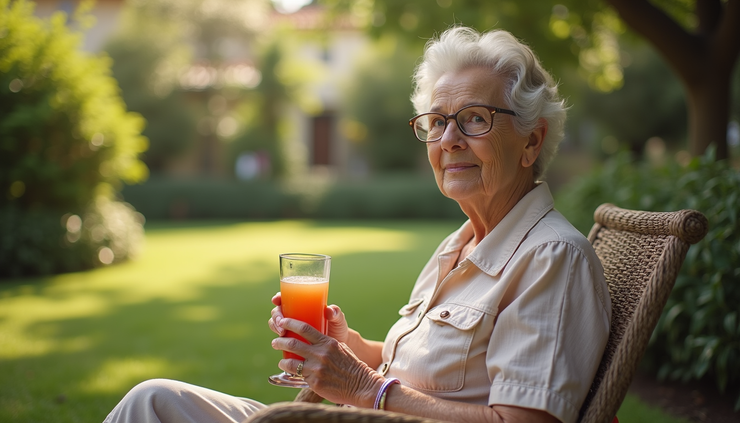
Why Older Adults Are More Vulnerable to Heat
Older adults often have a reduced ability to regulate body temperature. Several factors increase their risk during heat waves:
Reduced sweating makes it harder to cool down naturally.
Chronic health conditions like heart disease or diabetes can worsen heat effects.
Medications may interfere with hydration or heat regulation.
Limited mobility can reduce access to cooler environments or fluids.
Social isolation means some seniors may not receive timely help or reminders to stay cool.
Understanding these risks helps caregivers take targeted steps to protect older adults.
How to Recognize Heat-Related Illnesses Early
Heat exhaustion and heat stroke can develop quickly. Watch for these signs:
Heavy sweating or no sweating despite heat
Weakness, dizziness, or fainting
Headache or nausea
Rapid heartbeat or breathing
Confusion or disorientation
Dry, hot skin (a sign of heat stroke)
If any symptoms appear, act immediately by moving the person to a cooler place, offering water, and seeking medical help if symptoms worsen.
Practical Ways to Keep Older Adults Cool
Create a Cool Environment
Use fans or air conditioning to maintain indoor temperatures below 78°F (25.5°C).
Close curtains or blinds during the hottest parts of the day to block sunlight.
Encourage spending time in air-conditioned public places like libraries or community centers if home cooling is limited.
Encourage Proper Hydration
Offer water regularly, even if the person does not feel thirsty.
Avoid drinks with caffeine or alcohol as they can cause dehydration.
Include hydrating foods like watermelon, cucumbers, and oranges in meals.
Adjust Daily Activities
Schedule outdoor activities for early morning or late evening when temperatures are lower.
Limit physical exertion during peak heat hours.
Dress in lightweight, loose-fitting, and light-colored clothing.

Supporting Older Adults Emotionally and Socially
Heat waves can increase feelings of isolation, especially for seniors living alone. Regular check-ins by phone or visits can provide emotional support and ensure their safety. Community programs that offer transportation to cooling centers or social activities can also help.
Preparing for Heat Emergencies
Keep a list of emergency contacts and local cooling centers.
Know the signs of heat-related illnesses and when to call for medical help.
Have a plan for power outages, including battery-operated fans or cool packs.
Encourage older adults to wear medical alert devices if they have health conditions.

Final Thoughts on Protecting Older Adults in Summer Heat
Keeping older adults safe during extreme heat requires attention to their unique needs and proactive care. Creating cool spaces, encouraging hydration, adjusting routines, and staying connected can prevent serious health problems. Everyone can play a role in protecting seniors from heat risks by staying informed and ready to act. If you care for an older adult, start today by checking their environment and hydration habits. Small steps can save lives and keep summer enjoyable for all ages.


Comments